What is Amazon Marketplace? A guide for sellers in 2026
Autor: Agile Consultancy Team | Categorie: Blog | Timp de citire: 12 min

Amazon Marketplace hosts over 2 million active sellers globally, creating intense competition for every product category. Many brand owners misunderstand how to optimize listings, protect their brands, and win the Buy Box. This guide explains the core mechanics of Amazon Marketplace and delivers actionable strategies to boost your sales while safeguarding your listings from hijackers and counterfeiters.
Table of Contents
- What Is Amazon Marketplace? Defining The Platform
- Operational Mechanics Of Amazon Marketplace
- Listing Creation And Optimization Techniques
- Fulfillment Options And Their Impact On Sales
- Brand Protection Mechanisms And Hijack Prevention
- Marketplace Competition And Pricing Strategy
- Common Misconceptions And Pitfalls Of Amazon Marketplace
- Applying Marketplace Knowledge To Optimize Your Business
- Improve Your Amazon Marketplace Success With Expert Services
- FAQ
Key takeaways
| Point | Details |
|---|---|
| Platform scale | Amazon Marketplace supports over 2 million sellers competing globally across diverse product categories. |
| Optimization drives sales | Strategic listing optimization and fulfillment selection directly increase visibility and conversion rates. |
| Brand protection is essential | Brand Registry and automated monitoring reduce counterfeit listings by 50% and hijacking attempts by 35%. |
| Buy Box factors | Winning the Buy Box requires competitive pricing plus strong seller metrics, fulfillment speed, and customer feedback. |
| Strategic tools matter | Automated pricing, analytics, and listing monitoring maintain competitive advantage and protect brand integrity. |
What is Amazon Marketplace? Defining the platform
Amazon Marketplace is a third-party platform allowing sellers to sell new or used products directly to Amazon’s vast customer base while Amazon handles the storefront. The platform supports over 2 million active sellers globally as of 2026, spanning small businesses to international brands. This ecosystem creates opportunities to reach millions of buyers without building independent e-commerce infrastructure.
Sellers range from individual entrepreneurs launching niche products to established corporations expanding their digital retail footprint. Each competes for visibility in product categories ranging from electronics to home goods. The sheer volume of sellers means standing out requires strategic optimization and continuous performance monitoring.
Cross-border selling with regional fulfillment centers enables access to international customers, but sellers must navigate local regulations, taxes, and shipping complexities impacting profitability. Amazon provides infrastructure to support global trade, yet understanding regional compliance is your responsibility. Many sellers underestimate these operational challenges when expanding internationally.
Key characteristics of Amazon Marketplace include:
- Direct access to Amazon’s customer base without separate marketing infrastructure
- Competition from millions of sellers across all major product categories
- Fulfillment flexibility through FBA or self-managed shipping options
- Regional selling capabilities with compliance and tax considerations
Pro Tip: Start with domestic selling to master platform mechanics before expanding cross-border to avoid costly compliance mistakes.
Operational mechanics of Amazon Marketplace
Seller Central serves as your control hub for managing sales, listings, inventory, and advertising. This dashboard consolidates critical business data, but requires dedicated optimization for best results and preventing errors that decrease performance. Neglecting Seller Central tools leads to inventory stockouts, listing errors, and missed sales opportunities.
Accurate inventory monitoring prevents lost sales from stockouts and excess fees from overstock. Real-time tracking helps you respond quickly to demand fluctuations. Integrated analytics dashboards empower data-driven decisions about pricing, promotions, and product selection.
Fulfillment choices impact fees, shipping speed, and customer satisfaction. Selecting the right method aligns with your inventory capabilities and sales goals. Poor fulfillment decisions reduce Buy Box eligibility and customer trust, directly harming revenue.
Core operational elements include:
- Seller Central dashboard for sales tracking and performance metrics
- Inventory management tools to prevent stockouts and optimize turnover
- Advertising platforms for sponsored product campaigns and brand promotion
- Performance monitoring to maintain account health and avoid suspensions
Pro Tip: Set automated inventory alerts in Seller Central to restock before products go out of stock, maintaining continuous sales momentum.
Leveraging Amazon seller management software streamlines these operational tasks. Automation reduces manual errors and frees time for strategic growth initiatives. Understanding the Amazon brand management process guide ensures you implement best practices from the start.
Listing creation and optimization techniques
Keyword research is critical to match buyer search terms and increase organic visibility. Identifying high-volume, relevant keywords places your products in front of shoppers actively searching. Without proper keyword integration, even excellent products remain invisible.
Competitive pricing attracts buyers and affects Buy Box eligibility. Pricing too high reduces conversions, while pricing too low erodes margins. Strategic pricing balances profitability with market competitiveness.
Enhanced Brand Content (A+ Content) improves product presentation and conversion rates by up to 30%. High-quality images, detailed descriptions, and comparison charts address buyer questions before they abandon your listing. This content differentiates your brand from generic competitors.
Effective listing optimization strategies include:
- Conducting keyword research to identify buyer search patterns
- Writing compelling titles that include primary keywords naturally
- Creating detailed bullet points highlighting benefits and features
- Using A+ Content to showcase brand story and product advantages
- Updating listings regularly to maintain search relevance
Pro Tip: Analyze competitor listings in your category to identify keyword gaps and content opportunities they have missed.
Consistent updates keep listings relevant in Amazon’s search algorithm. The platform rewards fresh content with improved rankings. Understanding the role of SEO on Amazon transforms your approach from reactive to strategic, driving sustained traffic growth.
Fulfillment options and their impact on sales
Sellers can choose between Fulfillment by Amazon or Fulfillment by Merchant, which directly affects delivery speed, customer experience, and fees. FBA means Amazon handles inventory storage, picking, packing, shipping, and customer service. FBM means you manage fulfillment and shipping independently.
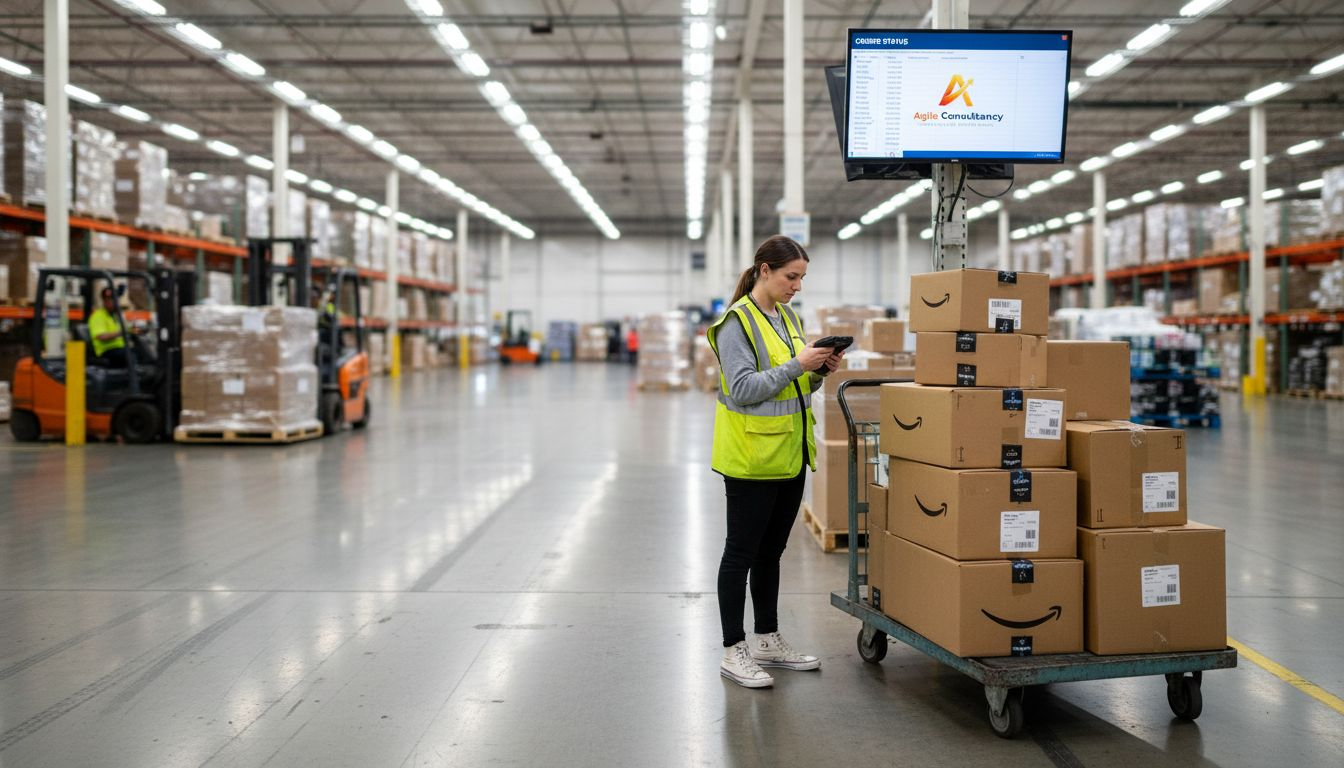
FBA sellers typically see 20% to 40% higher conversion rates due to faster shipping and Prime eligibility. Customers trust Amazon’s fulfillment infrastructure and favor Prime-eligible products. This advantage often justifies higher FBA fees.
FBM offers greater inventory control and potentially lower costs if you manage logistics efficiently. You avoid Amazon’s storage fees and maintain direct oversight of packaging and shipping. However, FBM reduces Buy Box eligibility and limits access to Prime customers.
| Factor | FBA | FBM |
|---|---|---|
| Shipping speed | 1-2 days with Prime | Varies by seller capability |
| Buy Box eligibility | Higher due to Amazon fulfillment | Lower without Prime badge |
| Fees | Storage + fulfillment fees | Lower fees but self-managed costs |
| Customer service | Amazon handles returns and support | Seller manages all interactions |
| Inventory control | Limited direct access | Full control over stock |
Key fulfillment considerations include:
- FBA increases Prime eligibility, boosting visibility and conversions
- FBM suits sellers with established logistics or low-margin products
- Hybrid approaches use FBA for popular items and FBM for slow movers
- Fulfillment speed directly influences customer satisfaction and reviews
Choosing the right fulfillment method aligns with your operational strengths and sales objectives. Many successful sellers start with FBA to establish market presence, then evaluate FBM for specific product lines.
Brand protection mechanisms and hijack prevention
Joining Brand Registry reduces counterfeit listings by 50% and provides tools to report unauthorized sellers. This program grants enhanced listing control and access to proprietary content features. Without Brand Registry, protecting your listings becomes significantly harder.
Automated alerts reduce hijacking attempts by 35% through early detection. Monitoring tools notify you when unauthorized sellers appear on your listings. Quick response prevents revenue loss and brand damage.
Brand monitoring tools allow fast takedown of counterfeit listings. Amazon prioritizes Brand Registry members in dispute resolution. Consistent oversight maintains listing integrity and customer trust.
Essential brand protection actions include:
- Enrolling in Amazon Brand Registry immediately upon launch
- Setting up automated alerts for listing changes and new sellers
- Monitoring product detail pages daily for unauthorized modifications
- Responding quickly to hijacking attempts with evidence and documentation
- Maintaining complete trademark registration to support enforcement
Pro Tip: Document your brand assets, including logos, packaging, and product images, to streamline the hijacker removal process when issues arise.
Understanding how branding protects Amazon listings from hijacking empowers proactive defense strategies. Protecting your brand sustains sales momentum and prevents customer confusion from counterfeit products.
Marketplace competition and pricing strategy
Winning the Buy Box drives the majority of product sales, with winners capturing over 80% of sales. This featured placement appears as the default “Add to Cart” option. Losing the Buy Box sends traffic to competitors even on your own listings.
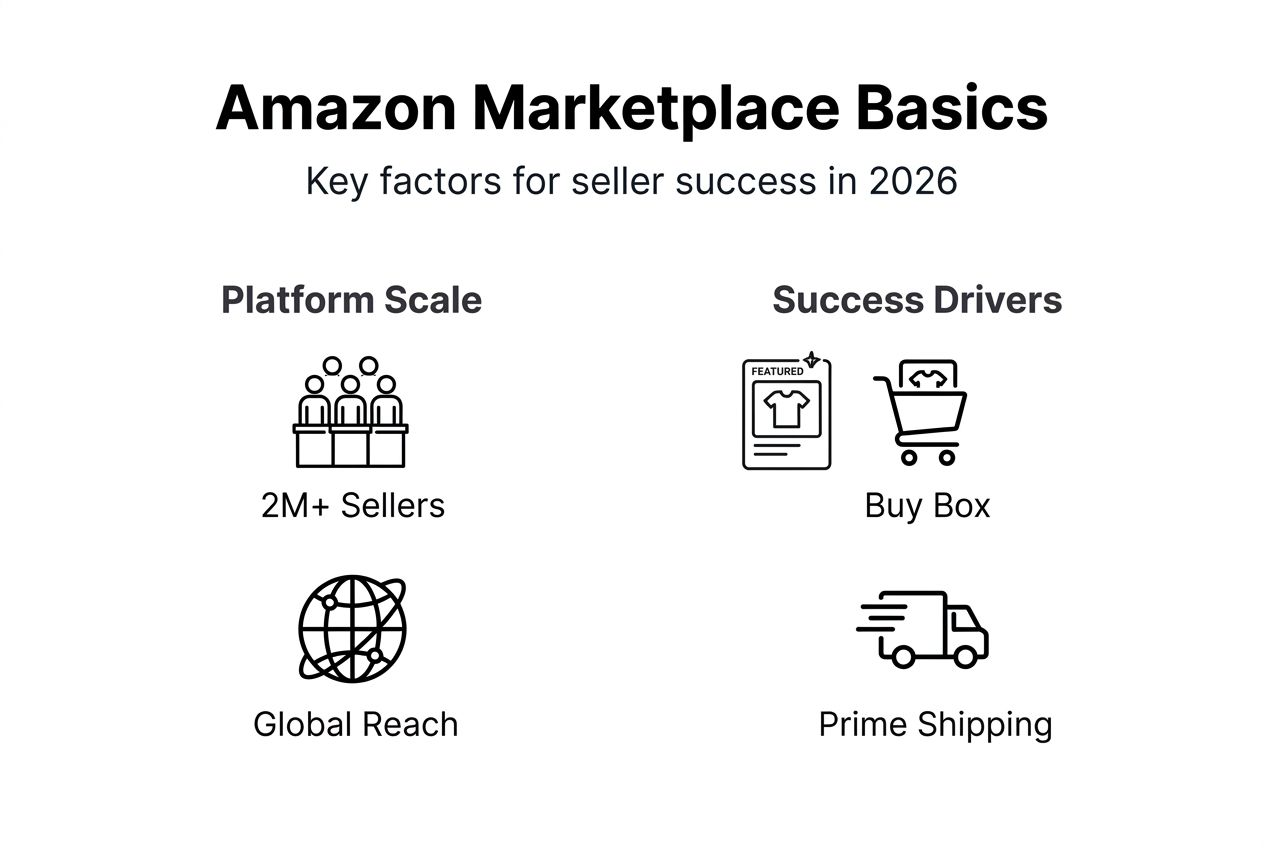
Buy Box eligibility depends on competitive pricing plus fulfillment method, seller feedback, and shipping speed. Price alone does not guarantee wins. Amazon’s algorithm evaluates overall customer experience factors.
Dynamic pricing tools help maintain competitive positioning without constant manual adjustments. These systems monitor competitor prices and adjust yours within preset parameters. Automation prevents losing the Buy Box during off-hours.
| Buy Box Factor | Impact Level | Optimization Strategy |
|---|---|---|
| Price competitiveness | High | Use repricing tools to stay within market range |
| Fulfillment speed | High | Choose FBA or offer expedited FBM shipping |
| Seller feedback score | Medium | Maintain 95%+ positive feedback through excellent service |
| Order defect rate | Medium | Keep defects below 1% through quality control |
| Inventory availability | Medium | Avoid stockouts with proactive replenishment |
Critical competitive strategies include:
- Monitoring competitor pricing to identify market positioning opportunities
- Improving seller metrics through consistent performance excellence
- Using FBA to gain fulfillment advantages over FBM competitors
- Testing price points to find optimal balance between volume and margin
A common misconception is that the lowest price alone guarantees the Buy Box. Seller performance, shipping capabilities, and customer satisfaction weigh heavily in Amazon’s algorithm. Strategic sellers optimize all factors simultaneously for sustained Buy Box wins. Exploring Amazon retail strategy explained reveals advanced competitive positioning techniques.
Common misconceptions and pitfalls of Amazon Marketplace
Many sellers believe price alone guarantees Buy Box wins, ignoring performance metrics and fulfillment speed. This oversimplification leads to margin erosion without corresponding sales gains. Amazon’s algorithm balances multiple customer experience factors.
Sellers retain full control over pricing and inventory decisions on Marketplace. Amazon does not dictate your prices or force participation in promotions. Misunderstanding this autonomy leads to poor strategic choices and lost profitability.
Overlooking brand protection invites listing hijacking and counterfeit sellers. Without proactive monitoring, unauthorized sellers steal your Buy Box and damage brand reputation. This pitfall costs significant revenue and customer trust.
Frequent misconceptions include:
- Assuming lowest price automatically wins the Buy Box
- Believing Amazon controls seller pricing and inventory
- Neglecting Brand Registry enrollment until hijacking occurs
- Ignoring inventory management until stockouts harm rankings
- Underestimating the importance of seller performance metrics
Neglecting inventory management causes lost sales when products go out of stock. Stockouts reset sales velocity and harm organic rankings. Recovery takes weeks even after restocking. Understanding seller autonomy and platform mechanics prevents these costly errors.
Applying marketplace knowledge to optimize your business
Register your brand with Amazon Brand Registry immediately to access enhanced protections and content features. Delaying enrollment leaves your listings vulnerable to hijackers and counterfeiters. This foundational step takes minutes but provides ongoing benefits.
Create optimized listings using thorough keyword research and Enhanced Brand Content. High-quality listings convert browsers into buyers and improve organic rankings. Invest time in compelling product descriptions and professional images.
Select your fulfillment method based on inventory capabilities and sales goals. FBA suits most sellers starting out, while FBM works for specific operational contexts. Evaluate costs and benefits for your unique situation.
Practical optimization steps include:
- Enroll in Brand Registry and trademark your brand assets
- Conduct keyword research to identify high-value search terms
- Build listings with optimized titles, bullets, and A+ Content
- Choose FBA or FBM based on your logistics strengths
- Set up automated monitoring for listing changes and hijackers
- Use Seller Central analytics to track performance and adjust pricing
- Monitor inventory levels to prevent stockouts and ranking drops
- Review competitor strategies to identify market gaps
Pro Tip: Schedule weekly reviews of your Seller Central dashboard to catch performance issues before they escalate into account health problems.
Monitor listings continuously using automation to detect hijacking attempts early. Manual monitoring misses overnight changes that damage sales. Automated tools provide 24/7 vigilance. Use Seller Central data to manage inventory and adjust pricing dynamically based on market conditions.
Understanding Amazon seller success factors reveals how top performers achieve 30% lower ACOS while protecting their brands. Explore Amazon seller services to identify growth opportunities. The Amazon brand management process guide provides additional frameworks for sustained success.
Improve your Amazon Marketplace success with expert services
Mastering Amazon Marketplace mechanics takes time and specialized knowledge. Agile Consultancy offers tailored PPC management, full account oversight, and brand protection services designed for sellers ready to scale efficiently. Our experts optimize your listings, improve Buy Box wins, and implement proactive monitoring to prevent hijacking.
Professional guidance frees you to focus on product development and business growth while we handle platform complexities. Services include data-driven advertising optimization, listing enhancement, and continuous account monitoring to maintain peak performance. Discover how Amazon seller services accelerate your marketplace success. Visit the Agile Consultancy homepage to schedule your free account audit and unlock your brand’s full potential on Amazon.
FAQ
What is the Amazon Buy Box and why is it important?
The Buy Box is the featured “Add to Cart” button area on product detail pages. Winning it captures over 80% of sales for that product because most customers click this default purchase option without comparing other sellers.
How does Brand Registry protect my Amazon listings?
Brand Registry allows you to report and remove counterfeit products quickly through Amazon’s enforcement tools. It provides automated alerts to monitor hijacking attempts, reducing unauthorized sellers by 35% through early detection and fast response capabilities. Learn more about how branding protects Amazon listings.
Which fulfillment method should I choose for my Amazon business?
Choose FBA for faster shipping, Prime eligibility, and better Buy Box chances, especially when starting out. Choose FBM for greater inventory control and potentially lower costs if you already manage efficient logistics and can match competitive shipping speeds.
Can pricing alone guarantee success on Amazon Marketplace?
Price is important but not the sole factor for sales success or Buy Box wins. Seller performance metrics, shipping speed, fulfillment method, and customer feedback ratings significantly influence your competitive positioning and overall marketplace performance.
Recommended
- Amazon Retail Strategy: Building Profitable Market Presence | Agile Consultancy Blog
- 6 Essential Types of Amazon Seller Accounts Explained | Agile Consultancy Blog
- Top 7 Amazon Seller Management Software 2026 | AC Blog
- Amazon Seller Success Factors: 30% Lower ACOS & Brand Protection | Agile Consultancy Blog